
Can Bearded Dragons Eat Blueberries? Safe Feeding Guide

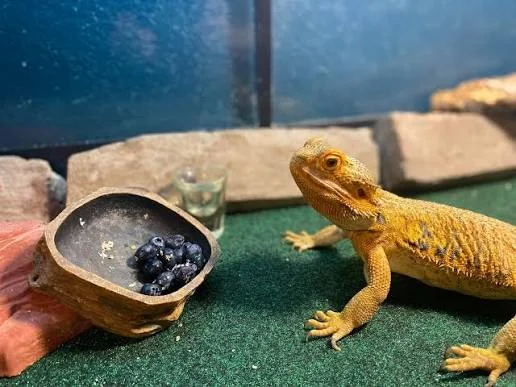
Yes, bearded dragons can eat blueberries, but only in small amounts and as an occasional treat. Fresh blueberries are not toxic to bearded dragons. They contain water, fiber, vitamins, and natural plant compounds. However, they also contain sugar and have much more phosphorus than calcium. This makes them unsuitable as a daily food.
A healthy bearded dragon diet should mainly include suitable insects, leafy greens, and vegetables. Fruit should make up only a very small part of the overall diet. In this guide, you will learn how many blueberries a bearded dragon can eat, how often they can eat them, how to prepare them safely, and why overfeeding fruit may cause health problems.
Blueberries for Bearded Dragons
| Question | Answer |
|---|---|
| Can bearded dragons eat blueberries? | Yes |
| Are blueberries toxic? | No |
| Can they eat them every day? | No |
| Best type | Fresh, plain, and washed |
| Suggested adult serving | 1–2 small blueberries |
| Suggested frequency | Occasionally |
| Can babies eat them? | Yes, but only a tiny piece |
| Can they eat frozen blueberries? | Yes, if plain and fully thawed |
| Can they eat dried blueberries? | Best avoided |
| Main concerns | Sugar and poor calcium balance |
Blueberries should be treated as an optional treat, not an important or necessary part of your dragon’s diet.
Are Blueberries Safe for Bearded Dragons?
Blueberries are generally safe when they are:
- Fresh
- Properly washed
- Free from mold
- Served without sugar
- Cut into a suitable size
- Offered in a small portion
The biggest danger does not come from one small blueberry. Problems are more likely when fruit is fed too often or in large amounts. Bearded dragons need a diet that supports healthy bones, normal growth, and good digestion. Foods that are high in sugar and low in calcium should not replace nutritious vegetables, greens, insects, or calcium supplements. Therefore, blueberries are safe as a treat, but they should never become a regular staple.
Nutritional Value of Blueberries
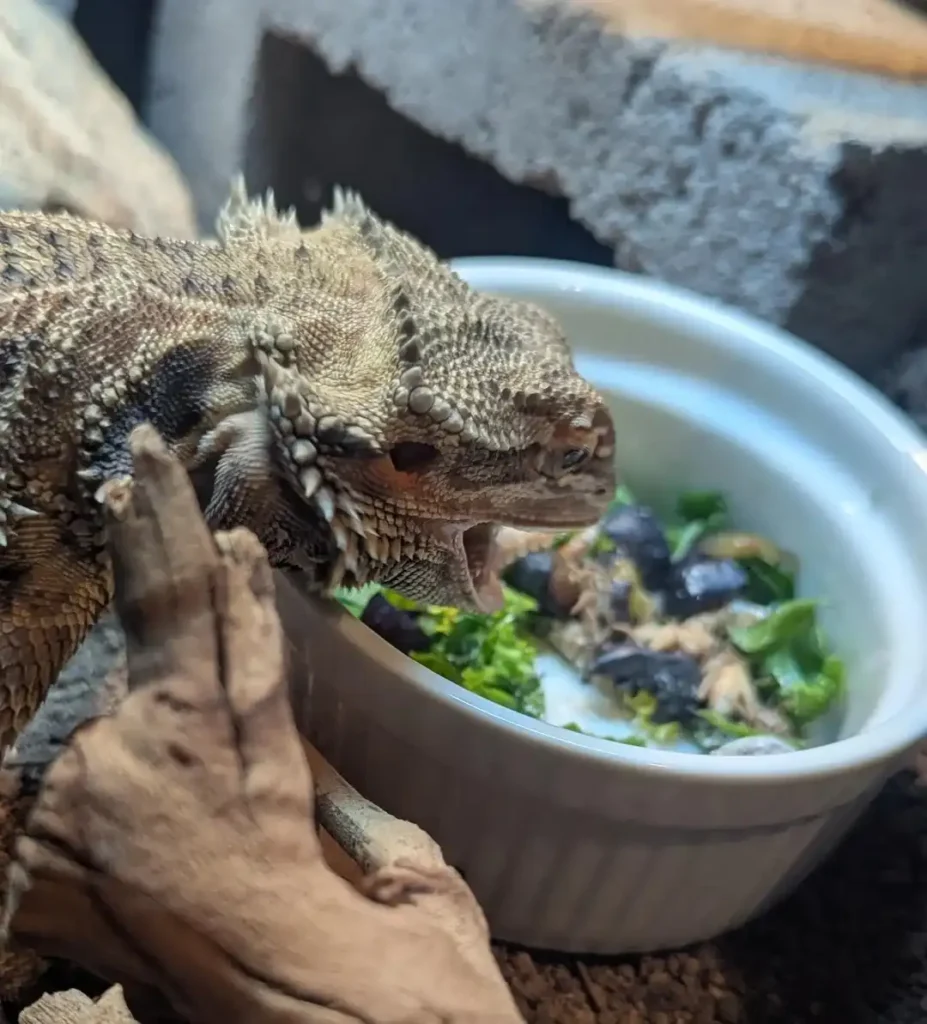
Blueberries contain several nutrients, but not all of them make the fruit ideal for bearded dragons. The table below shows the approximate nutritional value of 100 grams of raw blueberries.
| Nutrient | Approximate amount | Why it matters |
|---|---|---|
| Water | 84 g | Provides some hydration |
| Sugar | 10 g | Main reason portions should stay small |
| Fiber | 2.4 g | May support normal digestion |
| Calcium | 6 mg | Too low for a staple food |
| Phosphorus | 12 mg | Higher than calcium |
| Calcium-to-phosphorus ratio | About 0.5:1 | Not ideal for regular feeding |
| Vitamin C | Small amount | Supports normal body functions |
| Vitamin K | Small amount | Involved in normal blood and bone functions |
These amounts may look harmless, but a bearded dragon eats much smaller meals than a human. Even a few berries can become a noticeable part of its daily food intake.
Potential Benefits of Blueberries
Blueberries can provide a few small benefits when they are fed correctly.
Water Content
Blueberries contain a large amount of water. A small serving may add a little moisture to the diet. However, fruit should not replace a clean water source or properly hydrated vegetables.
Fiber
The fiber in blueberries may support normal digestion when the serving is small. Too much fruit, however, may have the opposite effect and lead to soft or watery stool.
Vitamins
Blueberries contain small amounts of vitamins, including vitamin C and vitamin K. These nutrients can contribute to a varied diet, but blueberries are not the best source of essential nutrition for bearded dragons.
Natural Plant Compounds
Blueberries contain anthocyanins and other antioxidant plant compounds. These compounds are widely studied in human nutrition, but there is limited evidence showing that blueberries provide special or unique health benefits to bearded dragons. For this reason, blueberries should not be described as a necessary reptile “superfood.”
Why Blueberries Should Be Limited
Blueberries are safe, but they have several nutritional weaknesses.
High Natural Sugar
Blueberries contain natural sugar.
A small amount is unlikely to harm a healthy bearded dragon, but frequent sugary treats may contribute to:
- Weight gain
- Obesity
- Dental problems
- Reduced interest in vegetables
- Unbalanced eating habits
Fruit should remain a small part of the diet.
Poor Calcium-to-Phosphorus Ratio
Blueberries contain approximately twice as much phosphorus as calcium. Bearded dragons need a diet that provides enough calcium to support their bones, muscles, and normal growth. Phosphorus is also necessary, but regularly feeding foods with poor calcium balance may make it harder to maintain an ideal overall diet. One small serving of blueberries will not directly cause metabolic bone disease. The concern comes from repeatedly feeding calcium-poor foods while also providing poor UVB lighting, inadequate supplementation, or an unbalanced diet.
Low Calcium Content
Blueberries contain very little calcium. They cannot replace calcium-rich greens, proper supplementation, or effective UVB lighting.
Digestive Upset
Too many blueberries may cause:
- Loose stool
- Watery stool
- Temporary stomach discomfort
- Increased waste
- Reduced appetite for healthier food
Every dragon reacts differently. Stop offering the fruit if you notice repeated digestive problems.
How Many Blueberries Can a Bearded Dragon Eat?
There is no official veterinary rule that gives one exact blueberry serving for every bearded dragon.
The correct amount depends on:
- Age
- Size
- Weight
- Health
- Total fruit intake
- The size of the berries
- The rest of the diet
The following amounts are conservative starting points.
| Bearded dragon | Suggested amount |
|---|---|
| Baby | A small piece of one blueberry |
| Juvenile | Half to one small blueberry |
| Adult | One small blueberry, or two at most |
A large blueberry should be cut into smaller pieces rather than counted as one normal portion.
Do not offer the maximum amount every time. Smaller servings are usually better.
How Often Can Bearded Dragons Eat Blueberries?
Blueberries should be fed occasionally, not daily. A small serving every two to four weeks is a cautious approach for a healthy adult. Some keepers offer fruit slightly more often, but all fruit combined should remain a very small part of the total diet.
It is important to consider other fruits your dragon has already eaten. For example, do not feed blueberries, strawberries, grapes, and mango throughout the same week while still calling each one an occasional treat. Together, they may create a fruit-heavy diet.
A simple rule is:
Treat all fruit as one category and keep that category very small.
Can Baby Bearded Dragons Eat Blueberries?
Baby bearded dragons can technically eat a tiny piece of blueberry, but the fruit is not important for their growth.
Young bearded dragons need:
- Properly sized live insects
- Suitable vegetables
- Nutritious leafy greens
- Calcium supplementation
- Correct UVB lighting
Babies have small stomachs. A sweet berry may fill space that should be used for more nutritious food.
When offering blueberry to a baby:
- Use a very small piece.
- Remove the skin only if the piece is difficult to manage.
- Do not offer a whole berry.
- Feed it rarely.
- Watch for loose stool.
It is completely acceptable to avoid fruit during the early growth stage.
How to Prepare Blueberries Safely
Proper preparation reduces the risk of choking, dirt, pesticides, and spoiled food.
Step 1: Choose Fresh Berries
Use blueberries that are:
- Firm
- Ripe
- Free from mold
- Free from damaged or leaking areas
- Not covered in syrup or sugar
Throw away any berry that smells unusual or looks spoiled.
Step 2: Wash Them Thoroughly
Rinse the blueberries under clean running water.
Washing helps remove:
- Dirt
- Dust
- Possible pesticide residue
- Surface contamination
Organic blueberries should also be washed.
Step 3: Remove Stems
Check each berry for small stems or plant material.
Remove anything hard or dry before serving.
Step 4: Cut the Berry
Cut blueberries into halves or quarters.
Smaller pieces are especially important for:
- Babies
- Juveniles
- Small adult dragons
- Dragons that swallow food quickly
Food pieces should generally be smaller than the space between the dragon’s eyes.
Step 5: Serve Them Plain
Do not add:
- Sugar
- Honey
- Syrup
- Yogurt
- Cream
- Salt
- Artificial sweeteners
- Flavoring
Place the blueberry pieces on top of vegetables or serve them separately.
Step 6: Remove Leftovers
Fruit spoils quickly inside a warm enclosure.
Remove uneaten blueberry pieces before they become soft, dry, moldy, or covered with insects.
Can Bearded Dragons Eat Blueberry Skin?
Yes, bearded dragons can eat blueberry skin. The skin is soft and edible. It also contains fiber and natural plant pigments. However, large berries should still be cut. Cutting makes the fruit easier to eat and lowers the risk of a small dragon struggling with the whole berry.
Washing the skin is important because dirt and residues may remain on the surface.
Can Bearded Dragons Eat Frozen Blueberries?
Plain frozen blueberries can be offered after they are fully thawed.
Before feeding them:
- Check that they contain no added sugar.
- Thaw them completely.
- Allow them to reach room temperature.
- Drain excess liquid.
- Cut them into suitable pieces.
- Remove leftovers quickly.
Frozen blueberries often become soft after thawing. This can make them messy and easier to spoil. Fresh berries are usually the simpler choice, but plain frozen berries are acceptable when prepared correctly.
Can Bearded Dragons Eat Dried Blueberries?
Dried blueberries are best avoided. Drying removes much of the water and concentrates the sugar into a smaller piece of food.
Commercial dried blueberries may also contain:
- Added sugar
- Oil
- Preservatives
- Artificial flavoring
A small amount of dried fruit can contain more sugar than the same visible amount of fresh fruit. Fresh blueberries are a safer option.

Can Bearded Dragons Eat Canned Blueberries?
Canned blueberries are generally not recommended.
They may be packed in:
- Syrup
- Sweetened juice
- Added sugar
- Preservatives
Even canned products labeled as fruit juice may contain more sugar than fresh berries. Choose plain fresh or unsweetened frozen blueberries instead.
Can Bearded Dragons Drink Blueberry Juice?
Blueberry juice should not be given to bearded dragons. Juice contains concentrated sugar and usually has much less useful fiber than whole fruit. Commercial juice may also contain sweeteners, preservatives, or other ingredients.
Bearded dragons do not need fruit juice for hydration. Provide fresh water and moisture-rich vegetables instead.
Can They Eat Blueberry Jam or Muffins?
No. Bearded dragons should not eat blueberry jam, muffins, pies, yogurt, or other processed blueberry foods.
These products may contain:
- Large amounts of sugar
- Butter
- Oil
- Milk
- Flour
- Salt
- Artificial ingredients
Human desserts are not suitable for bearded dragons.
Only offer plain fruit.
Signs a Bearded Dragon Ate Too Many Blueberries
Eating one extra blueberry is unlikely to cause a serious emergency in a healthy adult.
However, overfeeding may lead to:
- Loose stool
- Watery stool
- Temporary loss of appetite
- Bloating
- Increased thirst
- Refusal of greens
- Unusual tiredness
- Weight gain when fruit is regularly overfed
Remove fruit from the diet and return to normal healthy foods.
Contact a reptile-experienced veterinarian if your dragon develops:
- Repeated diarrhea
- Blood in the stool
- Severe weakness
- Swelling
- Vomiting
- Long-lasting food refusal
- Signs of dehydration
- Difficulty moving
Do not try to treat serious symptoms with home remedies.
Healthier Foods to Offer More Often
Blueberries should not replace everyday vegetables and greens.
Better regular plant foods may include:
- Collard greens
- Mustard greens
- Turnip greens
- Dandelion greens
- Endive
- Escarole
- Butternut squash
- Acorn squash
- Bell pepper in moderate amounts
- Cactus pad prepared safely
Availability varies by country, so use a variety of safe foods rather than depending on one vegetable. Remove hard seeds, wash produce thoroughly, and cut food into suitable pieces.
Other Fruits Bearded Dragons Can Eat Occasionally
Other fruits may also be offered in small amounts.
Examples include:
- Strawberries
- Blackberries
- Raspberries
- Papaya
- Mango
- Apple without seeds
- Pear without seeds
- Melon
These fruits should still be limited because most contain sugar and do not provide the calcium balance needed for daily feeding. Using a different fruit does not remove the need for moderation.
Common Mistakes When Feeding Blueberries
- Feeding Them Every Day
- Blueberries are a treat, not a daily food.
- Offering Too Many at Once
- A handful of blueberries is far too much for a bearded dragon.
- Ignoring Other Fruit
- The total amount of all fruit matters, not only the number of blueberries.
- Feeding Whole Berries to Babies
- Whole berries may be difficult for small dragons to manage.
- Using Sweetened Frozen Fruit
- Always check the ingredient list.
- Feeding Dried or Canned Blueberries
- These forms are usually higher in concentrated sugar or added ingredients.
- Assuming Antioxidants Make Them Essential
- Blueberries contain useful plant compounds, but bearded dragons do not need them to remain healthy.
- Using Fruit to Encourage Every Meal
- Regularly hiding sweet fruit inside greens may teach a dragon to search for fruit and ignore healthier foods.
Frequently Asked Questions
Can bearded dragons eat blueberries every day?
No. Daily feeding would add too much sugar and may reduce the balance of the overall diet.
Can bearded dragons eat whole blueberries?
Adults may be able to eat small whole berries, but cutting them is safer and makes portion control easier.
How many blueberries can an adult bearded dragon eat?
One small blueberry is enough for most adult servings. Two small berries should be considered an upper occasional portion rather than a routine amount.
Can blueberries cause diarrhea?
Yes. Too much fruit may cause loose or watery stool because of its sugar, water, and fiber content.
Do blueberries cause metabolic bone disease?
One small serving does not directly cause metabolic bone disease. The danger comes from a long-term diet that is low in calcium, high in phosphorus, poorly supplemented, or combined with inadequate UVB lighting.
Should I add calcium powder to blueberries?
Calcium supplements should be used according to the dragon’s complete feeding plan or veterinary advice. Adding powder to one berry does not turn it into a nutritious staple.
Can bearded dragons eat blueberries with other fruits?
They can, but the combined fruit portion should remain very small. Mixing several fruits can easily lead to overfeeding sugar.
Can a sick bearded dragon eat blueberries?
A sick dragon should follow the diet recommended by a reptile veterinarian. Do not use blueberries as a treatment for dehydration, constipation, or loss of appetite without professional advice.
Can bearded dragons eat wild blueberries?
Wild blueberries may have been exposed to pesticides, animal waste, pollution, or unsafe plants. Store-bought fruit from a trusted source is usually safer.
Can blueberries replace drinking water?
No. They contain water, but they do not replace access to fresh water or proper hydration.
Conclusion
Bearded dragons can eat blueberries, but the fruit should remain a small and occasional treat.
Blueberries provide water, fiber, vitamins, and natural plant compounds. However, they also contain sugar, very little calcium, and more phosphorus than calcium. These weaknesses make them unsuitable for everyday feeding.
For safe feeding:
- Choose fresh and ripe blueberries.
- Wash them thoroughly.
- Remove stems.
- Cut them into small pieces.
- Offer only a small serving.
- Avoid daily feeding.
- Do not use dried, canned, sweetened, or processed blueberry products.
- Keep all fruit to a very small part of the overall diet.
- Prioritize nutritious greens, vegetables, suitable insects, calcium, and correct UVB lighting.
A small piece of blueberry can add variety to your bearded dragon’s meal, but good health depends on the complete diet—not one sweet treat.